
Finishes That Create Unique Visual Depth
Metallic Epoxy Flooring in Ridgefield for luxury residential spaces, retail showrooms, and modern commercial interiors requiring custom aesthetic effects
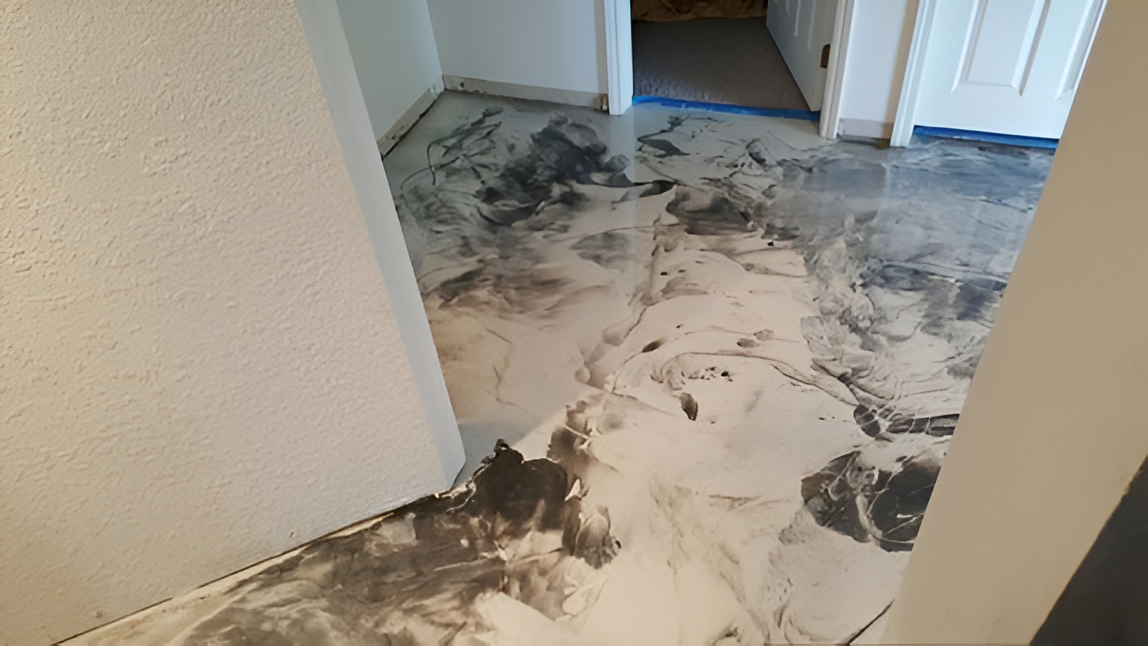
Standard solid-color epoxy presents a uniform appearance suitable for functional spaces, but luxury residential installations and high-end retail showrooms in Ridgefield increasingly specify metallic epoxy systems that create three-dimensional visual effects through the interaction of metallic pigments suspended in clear epoxy. WSM Epoxy Floors installs these premium systems where flooring functions as a design element rather than simply a durable surface, with the metallic particles creating color shifts that change with viewing angle and lighting conditions. The pearlescent effect occurs because light penetrates the clear epoxy, reflects off metallic flakes at varying depths, and creates the illusion of movement within a solid floor.
Application differs fundamentally from standard epoxy because the installer manipulates wet material with specialized tools to create swirls, waves, or veining patterns that mimic natural stone or abstract art, making each installation unrepeatable. Multiple metallic pigment colors can layer within a single floor, with darker base tones providing depth and lighter metallics creating highlights that catch direct light.
Arrange a design consultation to review color combinations and discuss pattern styles that complement your existing interior finishes.
What Sets Premium Metallic Systems Apart
The metallic effect depends on pigment particle size, resin clarity, and application technique working together—coarse metallic flakes create dramatic contrast with visible individual particles, while fine pigments produce subtle iridescence that shifts color gradually as you walk across the floor. Installer skill directly affects outcome because the working time for manipulating metallics before the epoxy gels ranges from only fifteen to thirty minutes, requiring experience to achieve intentional patterns rather than random streaks.
Once cured and topcoated, metallic floors in residential basements or commercial lobbies reflect overhead lighting in ways that make spaces appear larger and more dynamic than flat-colored surfaces. The high-gloss clear topcoat required to showcase the metallic depth also provides practical benefits—it resists scratching better than satin finishes and makes the floor easier to clean because dirt cannot lodge in surface texture. Retail showrooms using metallic flooring report that customers spend more time in spaces with visually interesting floors, though quantifying this effect remains subjective.
These systems do not hide concrete imperfections better than standard epoxy—the clear base actually makes substrate preparation more critical because any remaining stains or patches show through the translucent metallic layer. The installation requires climate control during application since humidity above seventy percent can cause clouding in the clear epoxy that dulls the metallic effect permanently.
What Property Owners Usually Ask
Metallic epoxy projects involve aesthetic decisions that standard flooring does not require, with outcomes depending on color selection, pattern style, and the interaction between materials and lighting.
What makes metallic epoxy cost more than standard solid colors?
The metallic pigments themselves cost significantly more than standard colorants, the clear base resin must be higher quality to maintain optical clarity that showcases the metallics, and application takes longer because installers manipulate the material artistically rather than simply rolling it uniformly, with most projects requiring at least double the labor hours of comparable solid-color installations.
How do you control the pattern during application?
Installers use spiked rollers, specialty squeegees, and even leaf blowers to move the wet metallic epoxy across the floor, creating intentional flow patterns that direct the pigment particles into swirls or linear veining, with the pattern setting permanently once the epoxy begins gelling after twenty to thirty minutes of open time.
Why do metallic floors look different under various lighting conditions?
The metallic particles suspended at different depths within the clear epoxy reflect light at angles determined by viewing position, so overhead lighting produces different color intensity than natural light entering at window level, and evening artificial light creates more dramatic metallic sparkle than diffuse daylight.
When should you avoid metallic epoxy in favor of solid colors?
High-traffic commercial environments where chairs and equipment create concentrated abrasion patterns show wear more visibly on metallic floors because any dulling of the gloss topcoat interrupts the light reflection that creates the metallic effect, making solid colors more practical for offices and restaurants despite metallics working well in retail showrooms with controlled traffic.
What preparation does concrete need for metallic installations in Ridgefield?
The substrate must be ground to remove all existing coatings and achieve near-perfect flatness because any ridges or depressions telegraph through the clear metallic layer and become visible as light reflects unevenly, requiring more extensive grinding than standard opaque epoxy installations where minor surface irregularities disappear under pigmented coatings.
WSM Epoxy Floors provides sample boards showing different metallic color combinations and pattern styles so clients can visualize options before installation begins, since these custom finishes cannot be easily modified once cured. Schedule a design consultation to explore metallic options and review how different colors interact with your space's existing lighting and interior palette.